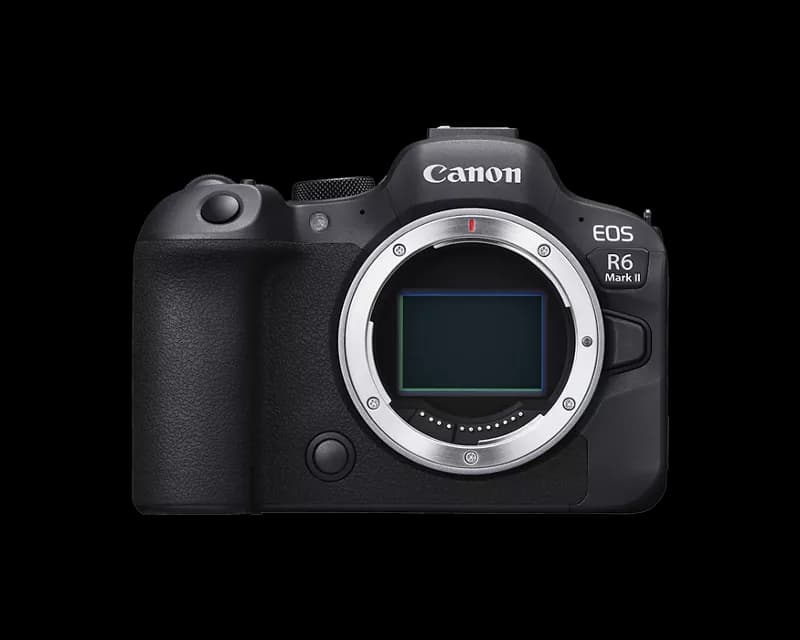
Canon
Canon EOS R6 Mark II
Professional2022MirrorlessFull FrameVerified
Overall camera rating
88
/ 100
Excellent
ShutterCountPro Camera Comparison
Which camera should you buy?
We compared image quality, autofocus, speed, video, professional workflow, portability, value, and long-term ownership to help you understand which camera makes more sense for the way you shoot.
Canon
Overall camera rating
88
/ 100
Excellent
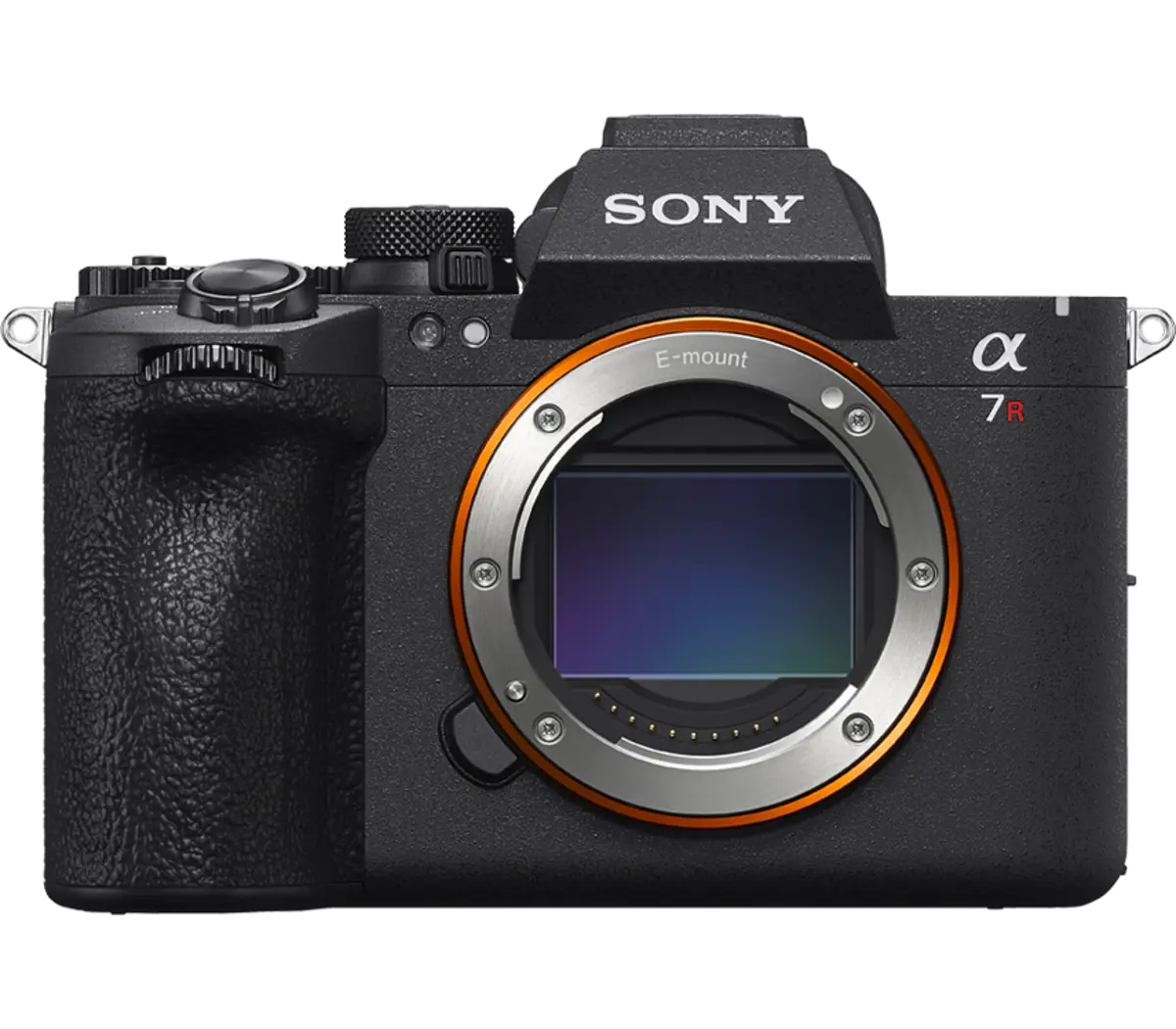
Sony
Overall camera rating
90
/ 100
Excellent
30-Second Decision
Recommendation confidence
77%
Buy this if...
Canon EOS R6 Mark II remains capable, but Sony A7R VI has the clearer advantage across the scenarios represented by the available data.
Choose this instead if...
Sony A7R VI may be the smarter purchase for landscapes, portraits, and video, even though Canon EOS R6 Mark II leads the broader comparison.
Strongest scenario matches
Bottom line
Canon EOS R6 Mark II gets our recommendation because its advantages line up better with the broadest range of real-world shooting situations. Sony A7R VI still makes sense when its specific strengths, existing-lens compatibility, or a lower purchase price matter more than the overall result.
Simple rule
Choose Canon EOS R6 Mark II for the stronger overall package. Choose Sony A7R VI when its specialist strengths, lower price, or better fit with your existing system matter more.
If we were buying today
Canon EOS R6 Mark II has the edge, although the right choice still depends on how you shoot.
Canon EOS R6 Mark II earns our recommendation because it delivers the stronger overall balance, particularly in value and speed. Sony A7R VI remains highly capable and may still be the smarter purchase when the price difference is significant.
Why we picked it
Best by use case
The overall recommendation does not tell the whole story. These picks show which camera has the stronger case for specific types of buyers and shooting priorities.
Best Value
Too close to call
These cameras are closely matched here.
Confidence
74%
Professional Choice
Too close to call
These cameras are closely matched here.
Confidence
78%
Best for Travel
Too close to call
These cameras are closely matched here.
Confidence
74%
Best for Video
Sony A7R VI
Sony A7R VI gets the edge.
Confidence
82%
Best for Photography
Too close to call
These cameras are closely matched for still photography.
Confidence
60%
Performance overview
Each score is an independent rating built from the camera’s specifications, capabilities, and documented strengths—not simply a share of the points in this comparison.
How they compare
Resolution, sensor format, sensor technology, and stabilization that influence detail, flexibility, and handheld results.
Canon EOS R6 Mark II
Excellent
85
/100Sony A7R VI
Exceptional
100
/100Bottom line
Sony A7R VI gets the edge here with a 100/100 rating.
How they compare
Subject tracking, focus coverage, recognition, and low-light focus performance.
Canon EOS R6 Mark II
Exceptional
100
/100Sony A7R VI
Exceptional
100
/100Bottom line
Canon EOS R6 Mark II and Sony A7R VI are closely matched in this category.
How they compare
Continuous shooting performance for sports, wildlife, events, and fast-moving subjects.
Canon EOS R6 Mark II
Excellent
90
/100Sony A7R VI
Excellent
86
/100Bottom line
Canon EOS R6 Mark II gets the edge here with a 90/100 rating.
How they compare
Overall recording capability, production features, frame-rate flexibility, and hybrid usefulness.
Canon EOS R6 Mark II
Exceptional
92
/100Sony A7R VI
Exceptional
97
/100Bottom line
Sony A7R VI gets the edge here with a 97/100 rating.
How they compare
Redundancy, durability, power, media support, and handling features that matter during demanding assignments.
Canon EOS R6 Mark II
Excellent
88
/100Sony A7R VI
Exceptional
98
/100Bottom line
Sony A7R VI gets the edge here with a 98/100 rating.
How they compare
Body size, weight, and practical suitability for travel, everyday use, and long handheld sessions.
Canon EOS R6 Mark II
Good
65
/100Sony A7R VI
Good
64
/100Bottom line
Canon EOS R6 Mark II and Sony A7R VI are closely matched in this category.
How they compare
Launch price, age, market position, and the overall amount of capability offered for the money.
Canon EOS R6 Mark II
Excellent
90
/100Sony A7R VI
Very Good
78
/100Bottom line
Canon EOS R6 Mark II gets the edge here with a 90/100 rating.
How they compare
Estimated shutter durability, metadata support, verification, and long-term ownership confidence.
Canon EOS R6 Mark II
Exceptional
100
/100Sony A7R VI
Exceptional
100
/100Bottom line
Canon EOS R6 Mark II and Sony A7R VI are closely matched in this category.
The differences that matter
These are the most meaningful differences in this comparison—the ones most likely to affect how the cameras perform, fit into your workflow, or justify the price.
Biggest difference
Advantage
Sony A7R VI
66.8 MP
Alternative
Canon EOS R6 Mark II
24.2 MP
What you will actually notice
Sony A7R VI provides more freedom to crop distant subjects and produce large prints, but the difference may be difficult to see in ordinary web-sized images.
Matters most for
Bottom line
Choose Sony A7R VI when cropping or large-output detail is a frequent requirement. Choose Canon EOS R6 Mark II when the lower resolution is already sufficient and smaller files improve your workflow.
More megapixels do not automatically mean better overall image quality. Sensor design, lenses, noise, dynamic range, and technique still matter.
Biggest difference
Advantage
Sony A7R VI
500,000 actuations
Alternative
Canon EOS R6 Mark II
300,000 actuations
What you will actually notice
Sony A7R VI carries the stronger estimated durability figure, which matters most to photographers who expect frequent mechanical-shutter use over many years.
Matters most for
Bottom line
Favor Sony A7R VI when both cameras are similarly priced and you expect heavy long-term mechanical-shutter use.
A shutter-life figure is not an expiration date. A shutter may fail earlier or continue working far beyond the estimate.
Biggest difference
Advantage
Canon EOS R6 Mark II
12 fps
Alternative
Sony A7R VI
10 fps
What you will actually notice
Canon EOS R6 Mark II offers the faster mechanical-shutter burst, increasing the number of frames available around a decisive moment.
Matters most for
Bottom line
Choose Canon EOS R6 Mark II when fast action is central to your work. Sony A7R VI may remain sufficient for occasional action.
A higher frame rate does not guarantee more keepers. Autofocus performance, buffer depth, sensor readout, and timing remain critical.
Biggest difference
Advantage
Canon EOS R6 Mark II
Reliable
Alternative
Sony A7R VI
File Dependent
What you will actually notice
Canon EOS R6 Mark II currently provides greater confidence for ShutterCountPro shutter-metadata detection.
Matters most for
Bottom line
Canon EOS R6 Mark II is currently the safer choice when shutter-count verification is an important part of the used-camera purchase.
Verified support does not guarantee that edited, exported, stripped, or unsupported file types will retain readable metadata.
Biggest difference
Advantage
Canon EOS R6 Mark II
40 fps
Alternative
Sony A7R VI
30 fps
What you will actually notice
Canon EOS R6 Mark II offers the faster electronic-shutter burst, increasing the number of frames available around a decisive moment.
Matters most for
Bottom line
Choose Canon EOS R6 Mark II when fast action is central to your work. Sony A7R VI may remain sufficient for occasional action.
A higher frame rate does not guarantee more keepers. Autofocus performance, buffer depth, sensor readout, and timing remain critical.
Biggest difference
Advantage
Canon EOS R6 Mark II
760 shots
Alternative
Sony A7R VI
710 shots
What you will actually notice
Canon EOS R6 Mark II should require fewer battery changes during long shoots, although video, wireless use, cold weather, and screen settings can change real endurance substantially.
Matters most for
Bottom line
Favor Canon EOS R6 Mark II for long days away from charging, but include spare batteries in either budget.
Official battery ratings do not predict every real-world workflow, especially video and continuous wireless use.
Upgrade advice
Upgrade value depends on which camera you already own. We score both directions separately so a newer or more expensive body is not automatically treated as the better upgrade.
If you own
Upgrade to
Sony A7R VI offers several improvements you are likely to notice.
Sony A7R VI improves image quality, professional workflow, and video. The upgrade makes sense when those areas directly affect your paid work, keeper rate, or production workflow.
Why upgrade
Biggest gains
If you own
Upgrade to
Canon EOS R6 Mark II is worth upgrading to for specific workflows.
Canon EOS R6 Mark II improves value and speed, but the overall change is not broad enough to benefit every Sony A7R VI owner. Upgrade only when those differences solve a real limitation.
Why upgrade
Biggest gains
Who wins for...
Instead of treating one camera as universally better, these scores show which body has the stronger fit for specific subjects and workflows.
Who wins for
Fast autofocus, burst speed, buffer performance, durability, and professional workflow for photographing action.
Result
Too close to call
Why
Both cameras score similarly for sports. Price, ergonomics, lenses, and the specific features you value should decide the final choice.
Who wins for
Subject detection, autofocus reliability, burst speed, resolution, stabilization, and outdoor durability.
Result
Too close to call
Why
Both cameras score similarly for wildlife. Price, ergonomics, lenses, and the specific features you value should decide the final choice.
Who wins for
Autofocus, low-light capability, stabilization, dual-card redundancy, battery life, and professional reliability.
Best choice
95
/1003 point advantage
Why
Sony A7R VI scores 95 for weddings, compared with 92 for Canon EOS R6 Mark II. Its advantages align more closely with the performance and workflow demands of this scenario.
Confidence
Who wins for
Image quality, autofocus, subject recognition, resolution, color flexibility, and system suitability for portrait work.
Best choice
95
/1005 point advantage
Why
Sony A7R VI scores 95 for portraits, compared with 90 for Canon EOS R6 Mark II. Its advantages align more closely with the performance and workflow demands of this scenario.
Confidence
Who wins for
Resolution, image quality, dynamic-range potential, portability, durability, and long-term ownership value.
Best choice
92
/1007 point advantage
Why
Sony A7R VI scores 92 for landscapes, compared with 85 for Canon EOS R6 Mark II. Its advantages align more closely with the performance and workflow demands of this scenario.
Confidence
Who wins for
Portability, image quality, stabilization, battery life, durability, ease of carrying, and overall versatility.
Result
Too close to call
Why
Both cameras score similarly for travel. Price, ergonomics, lenses, and the specific features you value should decide the final choice.
Who wins for
Recording quality, frame-rate flexibility, color depth, RAW support, stabilization, heat management, and production workflow.
Best choice
96
/1004 point advantage
Why
Sony A7R VI scores 96 for video, compared with 92 for Canon EOS R6 Mark II. Its advantages align more closely with the performance and workflow demands of this scenario.
Confidence
Who wins for
Video capability, autofocus, portability, ease of use, stabilization, and flexible hybrid performance.
Result
Too close to call
Why
Both cameras score similarly for content creation. Price, ergonomics, lenses, and the specific features you value should decide the final choice.
Who wins for
Reliability, redundancy, workflow, durability, autofocus, battery life, media support, and long-term ownership confidence.
Result
Too close to call
Why
Both cameras score similarly for professional work. Price, ergonomics, lenses, and the specific features you value should decide the final choice.
Who wins for
Capability, age, durability, current relevance, support reliability, and overall value as a used-camera purchase.
Result
Too close to call
Why
Both cameras score similarly for used value. Price, ergonomics, lenses, and the specific features you value should decide the final choice.
Who should buy each?
The better choice depends on what you shoot, how you work, and what you value most. Here is the clearest case for each camera.
Best fit
Our overall pickCanon EOS R6 Mark II is the safer all-around recommendation.
Canon EOS R6 Mark II remains capable, but Sony A7R VI has the clearer advantage across the scenarios represented by the available data.
Excellent
Buy this camera if...
Why it makes sense
Look elsewhere if...
Our take
Canon EOS R6 Mark II is the safer choice when you want the strongest all-around camera and do not need to optimize for one narrow specialty.
Best fit
Specialist choiceSony A7R VI is the better specialist choice for certain buyers.
Sony A7R VI may be the smarter purchase for landscapes, portraits, and video, even though Canon EOS R6 Mark II leads the broader comparison.
Excellent
Buy this camera if...
Why it makes sense
Look elsewhere if...
Our take
Sony A7R VI becomes the smarter purchase when its specific strengths line up more closely with your work—or when the price difference is large enough to matter.
Standout advantages
Neither camera is best at everything. These are the clearest reasons to choose one over the other based on the available specifications and camera intelligence.
Strongest advantages
Overall pickThese are the areas where this camera holds its clearest practical advantages.
Mechanical Burst Rate
Shutter Detection Support
Electronic Burst Rate
Rated Battery Life
Body Weight
Original Launch Price
The more complete overall package in this comparison.
Strongest advantages
These are the areas where this camera holds its clearest practical advantages.
Resolution
Estimated Shutter Life
Release Year
Still compelling when these particular advantages match your priorities.
Buying used
Condition and price can completely change the decision. Use these checks to evaluate each body before buying from a private seller, dealer, or marketplace.
Used-market assessment
Overall pickCanon EOS R6 Mark II is classified as an excellent used-market value, making it especially compelling when the body is clean, properly tested, and priced well below newer alternatives.
Used value
Excellent
Shutter life
300,000
Camera rating
88/100
ShutterCountPro support
Verified from original camera file.
Canon EOS R6 Mark II is both the stronger overall recommendation and an excellent used-market option when you find a clean example at the right price.
Used-market assessment
Sony A7R VI remains a strong used purchase when the condition, shutter history, accessories, and asking price are appropriate.
Used value
Good
Shutter life
500,000
Camera rating
90/100
ShutterCountPro support
Results may vary depending on original file type, camera settings, and exported metadata.
Sony A7R VI is worth considering when its specific strengths and current used price outweigh the broader advantages of the recommended camera.
Used-camera inspection
A clean, well-maintained older camera can be a better purchase than a newer body with hidden damage or an unclear history.
Use an original camera file whenever possible. Edited or exported images may no longer contain readable shutter metadata.
Check for scratches, dust, hot pixels, banding, and unusual marks in evenly lit test images.
Test multiple focus modes, subject detection, continuous autofocus, and IBIS with a known-good lens.
Confirm every card slot, USB port, HDMI port, microphone input, headphone output, and network connection.
Test every dial, joystick, button, touchscreen area, EVF sensor, and articulated-screen hinge.
Inspect the battery, charger, body cap, cables, strap mounts, and any included grips or adapters.
Full specification comparison
Open any specification to understand what it affects, who is most likely to notice the difference, and whether it should influence your purchase.
Specification
Direct comparison
Camera A
Canon EOS R6 Mark II
Camera B
Sony A7R VI
Estimated Shutter Life
Clear specification advantage
Moderate importanceTechnical impact
Estimated shutter life indicates how many mechanical actuations the shutter mechanism may be designed to tolerate before service becomes more likely.
What you may notice
Sony A7R VI carries the stronger estimated durability figure, which matters most to photographers who expect frequent mechanical-shutter use over many years.
Most relevant for
Less important for
Buying advice
Favor Sony A7R VI when both cameras are similarly priced and you expect heavy long-term mechanical-shutter use.
Upgrade advice
A higher shutter-life estimate rarely justifies an upgrade by itself unless your current body already has very high usage or supports mission-critical paid work.
Common misconception
A shutter-life figure is not an expiration date. A shutter may fail earlier or continue working far beyond the estimate.
Most relevant for
Camera A
300,000 actuations
Camera B
Advantage500,000 actuations
Resolution
Clear specification advantage
High importanceTechnical impact
Higher resolution provides more recorded detail and additional cropping flexibility, while also increasing file size, storage needs, and processing demands.
What you may notice
Sony A7R VI provides more freedom to crop distant subjects and produce large prints, but the difference may be difficult to see in ordinary web-sized images.
Most relevant for
Less important for
Buying advice
Choose Sony A7R VI when cropping or large-output detail is a frequent requirement. Choose Canon EOS R6 Mark II when the lower resolution is already sufficient and smaller files improve your workflow.
Upgrade advice
Resolution is worth upgrading for when your current files regularly limit cropping, commercial delivery, or print size—not simply because the newer number is larger.
Common misconception
More megapixels do not automatically mean better overall image quality. Sensor design, lenses, noise, dynamic range, and technique still matter.
Most relevant for
Camera A
24.2 MP
Camera B
Advantage66.8 MP
Sensor Size
No meaningful difference
High importanceTechnical impact
Sensor format affects field of view, depth-of-field control, body and lens size, high-ISO potential, and the overall design of the camera system.
What you may notice
Both cameras use a comparable sensor format, so other performance differences should carry more weight.
Most relevant for
Less important for
Buying advice
Sensor format does not meaningfully separate these cameras.
Upgrade advice
Changing sensor formats can be meaningful, but the cost of replacing or adapting lenses should be included in the decision.
Common misconception
A larger sensor is not automatically better for every buyer. Smaller formats can offer lighter lenses, lower prices, and useful effective reach.
Most relevant for
Camera A
TieFull Frame
Camera B
TieFull Frame
Sensor Technology
Preference dependent
Moderate importanceTechnical impact
Sensor construction can affect readout speed, rolling shutter, burst performance, dynamic range, and video behavior.
What you may notice
The practical advantage depends on the specific implementation rather than the sensor label alone.
Most relevant for
Less important for
Buying advice
Use measured performance and real shooting features instead of choosing solely from the sensor-technology name.
Upgrade advice
Sensor technology justifies an upgrade only when it produces a noticeable benefit such as faster readout, reduced rolling shutter, or better image quality.
Common misconception
Terms such as stacked, BSI, and CMOS describe construction, not a complete measure of image quality.
Most relevant for
Camera A
CMOS
Camera B
Stacked CMOS
Camera Type
No meaningful difference
Situational importanceTechnical impact
Camera type reflects the body design and intended workflow, such as mirrorless, DSLR, compact, cinema, or medium format.
What you may notice
The better format depends on handling preferences, lens ownership, viewfinder preference, and the work the camera must perform.
Most relevant for
Less important for
Buying advice
Choose the body style that supports your lenses and workflow rather than treating camera type as a universal ranking.
Upgrade advice
Changing camera type is worthwhile when it solves a real workflow problem, not merely because one format is newer.
Common misconception
Mirrorless does not automatically make every camera superior to every DSLR or specialist body.
Most relevant for
Camera A
TieMirrorless
Camera B
TieMirrorless
Lens Mount
Preference dependent
Critical importanceTechnical impact
The lens mount determines native lens compatibility, adapter options, system cost, and the long-term path available to the buyer.
What you may notice
Existing lenses can outweigh several body-level advantages because switching systems may cost far more than the camera itself.
Most relevant for
Less important for
Buying advice
Calculate the cost of the complete system—not only the camera body—before switching mounts.
Upgrade advice
A mount change should deliver a substantial workflow or lens benefit because switching costs can easily exceed the body-price difference.
Common misconception
A body that wins the specification comparison is not necessarily the better purchase if it requires replacing an entire lens kit.
Most relevant for
Camera A
Canon RF
Camera B
Sony E
Mechanical Burst Rate
Clear specification advantage
High importanceTechnical impact
Mechanical burst rate measures how many frames the camera can capture each second in continuous shooting.
What you may notice
Canon EOS R6 Mark II offers the faster mechanical-shutter burst, increasing the number of frames available around a decisive moment.
Most relevant for
Less important for
Buying advice
Choose Canon EOS R6 Mark II when fast action is central to your work. Sony A7R VI may remain sufficient for occasional action.
Upgrade advice
A faster burst is worth upgrading for when the current camera regularly misses important action—not simply because the maximum number is higher.
Common misconception
A higher frame rate does not guarantee more keepers. Autofocus performance, buffer depth, sensor readout, and timing remain critical.
Most relevant for
Camera A
Advantage12 fps
Camera B
10 fps
Electronic Burst Rate
Clear specification advantage
High importanceTechnical impact
Electronic burst rate measures how many frames the camera can capture each second in continuous shooting.
What you may notice
Canon EOS R6 Mark II offers the faster electronic-shutter burst, increasing the number of frames available around a decisive moment.
Most relevant for
Less important for
Buying advice
Choose Canon EOS R6 Mark II when fast action is central to your work. Sony A7R VI may remain sufficient for occasional action.
Upgrade advice
A faster burst is worth upgrading for when the current camera regularly misses important action—not simply because the maximum number is higher.
Common misconception
A higher frame rate does not guarantee more keepers. Autofocus performance, buffer depth, sensor readout, and timing remain critical.
Most relevant for
Camera A
Advantage40 fps
Camera B
30 fps
Weather Sealing
No meaningful difference
Moderate importanceTechnical impact
Weather-resistant construction adds protection around body seams, controls, and access points but does not make a camera waterproof.
What you may notice
Both cameras offer similar weather-resistance status, so lens sealing and careful handling remain equally important.
Most relevant for
Less important for
Buying advice
Weather sealing should not separate these cameras.
Upgrade advice
Weather resistance is rarely enough to justify an upgrade alone, but it can be important for professionals who regularly work outdoors.
Common misconception
Weather sealing does not guarantee protection from heavy rain, immersion, sand, salt water, or improper maintenance.
Most relevant for
Camera A
TieYes
Camera B
TieYes
In-Body Stabilization
No meaningful difference
High importanceTechnical impact
In-body stabilization compensates for camera movement and can improve handheld stills and video, including with lenses that lack optical stabilization.
What you may notice
Both cameras offer similar stabilization support, so lens stabilization and implementation quality may decide the practical result.
Most relevant for
Less important for
Buying advice
IBIS does not meaningfully separate these cameras.
Upgrade advice
IBIS can justify an upgrade for handheld shooters, especially when many existing lenses lack stabilization.
Common misconception
Stabilization reduces camera shake, but it cannot freeze a moving subject.
Most relevant for
Camera A
TieYes
Camera B
TieYes
Dual Card Slots
No meaningful difference
Critical importanceTechnical impact
Dual card slots can provide simultaneous backups, overflow storage, or separation of file types.
What you may notice
Both cameras offer a similar card-slot workflow.
Most relevant for
Less important for
Buying advice
Card-slot redundancy does not separate these cameras.
Upgrade advice
Dual card slots can justify an upgrade when you begin accepting work that cannot be recreated.
Common misconception
Dual slots reduce risk but do not replace proper backups after the shoot.
Most relevant for
Camera A
TieYes
Camera B
TieYes
Rated Battery Life
Clear specification advantage
Moderate importanceTechnical impact
Rated battery life estimates how many still images may be captured under standardized testing conditions.
What you may notice
Canon EOS R6 Mark II should require fewer battery changes during long shoots, although video, wireless use, cold weather, and screen settings can change real endurance substantially.
Most relevant for
Less important for
Buying advice
Favor Canon EOS R6 Mark II for long days away from charging, but include spare batteries in either budget.
Upgrade advice
Battery endurance alone rarely justifies an upgrade unless interruptions are already harming your workflow.
Common misconception
Official battery ratings do not predict every real-world workflow, especially video and continuous wireless use.
Most relevant for
Camera A
Advantage760 shots
Camera B
710 shots
Memory Card Support
Preference dependent
Moderate importanceTechnical impact
Supported card formats influence write speed, buffer clearing, recording modes, capacity, and media cost.
What you may notice
Faster media may unlock demanding burst and video modes, while less expensive cards can reduce the total cost of ownership.
Most relevant for
Less important for
Buying advice
Include the cost of suitable cards and readers when comparing the complete purchase price.
Upgrade advice
Card-format differences matter when your current media limits buffer clearing or required video modes.
Common misconception
The fastest card format is not automatically the best choice if the buyer does not use modes that require it.
Most relevant for
Camera A
SD UHS-II, SD UHS-II
Camera B
CFexpress Type A, SD UHS-II, SD UHS-I
Video Capability
No meaningful difference
High importanceTechnical impact
The video tier summarizes recording formats, resolution, frame rates, color depth, RAW capability, professional tools, and intended production workflow.
What you may notice
The cameras occupy a similar overall video tier, so crops, heat management, codecs, autofocus, and media requirements deserve closer inspection.
Most relevant for
Less important for
Buying advice
Video tier does not clearly separate these cameras.
Upgrade advice
Video capability justifies an upgrade when the newer camera removes an actual production limit such as recording format, frame rate, heat, crop, or monitoring.
Common misconception
Maximum resolution alone does not determine video quality or usability.
Most relevant for
Camera A
TieProfessional
Camera B
TieProfessional
Market Position
No meaningful difference
Situational importanceTechnical impact
Release tier describes the camera's intended position, such as entry, prosumer, or professional.
What you may notice
A higher-tier body may provide stronger controls, durability, and workflow features, but it may also be larger, more complex, and more expensive.
Most relevant for
Less important for
Buying advice
Buy the tier that matches your workload rather than the most prestigious label.
Upgrade advice
Moving to a higher tier is worthwhile when controls, durability, redundancy, or performance solve real limitations.
Common misconception
Professional classification does not automatically mean better image quality or better value for every user.
Most relevant for
Camera A
TieProfessional
Camera B
TieProfessional
Body Weight
Clear specification advantage
Moderate importanceTechnical impact
Body weight affects portability, balance with larger lenses, fatigue, and stability during handheld use.
What you may notice
Canon EOS R6 Mark II is easier to carry during travel and long shooting days, while the heavier alternative may balance large lenses more comfortably.
Most relevant for
Less important for
Buying advice
Choose Canon EOS R6 Mark II when portability is a priority, but evaluate both cameras with the lenses you expect to use.
Upgrade advice
Weight can justify switching bodies when the current setup regularly stays home or causes fatigue.
Common misconception
Lighter is not always more comfortable. Grip design and lens balance can matter more than the body weight alone.
Most relevant for
Camera A
Advantage670 g
Camera B
713 g
Release Year
Clear specification advantage
Situational importanceTechnical impact
Release year provides context for processor generation, autofocus development, connectivity, firmware support, and market age.
What you may notice
The newer camera may offer usability and processing improvements, but age alone does not determine image quality or value.
Most relevant for
Less important for
Buying advice
Evaluate the actual improvements rather than paying more simply for the newer release date.
Upgrade advice
Upgrade because of meaningful capabilities, not the age printed on the specification sheet.
Common misconception
Newer does not automatically mean better for every subject or budget.
Most relevant for
Camera A
2022
Camera B
Advantage2026
Original Launch Price
Clear specification advantage
Moderate importanceTechnical impact
Launch price shows original market positioning but may differ significantly from today's new and used prices.
What you may notice
Canon EOS R6 Mark II launched at the lower price, but current retail discounts and used-market conditions may reverse the value comparison.
Most relevant for
Less important for
Buying advice
Compare current body prices and the cost of lenses, cards, batteries, and accessories before deciding.
Upgrade advice
A lower launch price does not by itself make an upgrade worthwhile.
Common misconception
Launch price is not the same as current value.
Most relevant for
Camera A
Advantage$2,499
Camera B
$4,500
Shutter Detection Support
Clear specification advantage
Moderate importanceTechnical impact
Support status describes the current expected reliability of extracting shutter metadata from suitable camera files.
What you may notice
Canon EOS R6 Mark II currently provides greater confidence for ShutterCountPro shutter-metadata detection.
Most relevant for
Less important for
Buying advice
Canon EOS R6 Mark II is currently the safer choice when shutter-count verification is an important part of the used-camera purchase.
Upgrade advice
Shutter metadata support should rarely justify a camera upgrade by itself.
Common misconception
Verified support does not guarantee that edited, exported, stripped, or unsupported file types will retain readable metadata.
Most relevant for
Camera A
AdvantageReliable
Camera B
File Dependent
ShutterCountPro Verified
No meaningful difference
Moderate importanceTechnical impact
Verification means ShutterCountPro has tested original files from the camera model.
What you may notice
Both cameras currently offer similar ShutterCountPro metadata confidence.
Most relevant for
Less important for
Buying advice
Metadata support should not decide between these cameras.
Upgrade advice
Shutter metadata support should rarely justify a camera upgrade by itself.
Common misconception
Verified support does not guarantee that edited, exported, stripped, or unsupported file types will retain readable metadata.
Most relevant for
Camera A
TieYes
Camera B
TieYes
Frequently asked questions
These answers summarize the most important buying, upgrade, performance, and used-camera considerations from this comparison.
Canon EOS R6 Mark II is the stronger overall recommendation in this comparison. It earns the advantage across the most important weighted categories, although Sony A7R VI may still be the smarter purchase when price, portability, existing lenses, or one specialist strength matters more.
Sony A7R VI is not automatically the better purchase simply because it is newer. Compare the real-world improvements against the price difference and decide whether those changes will meaningfully improve your photography or video work.
Sony A7R VI scores higher for professional workflow based on features such as card redundancy, durability, power, connectivity, and media support.
Sony A7R VI receives the stronger independent video rating in this comparison, based on its recording resolution, frame rates, color depth, RAW support, profiles, and production features.
Canon EOS R6 Mark II is currently classified as the stronger used-market value. Condition, shutter count, accessories, warranty, and the actual price difference should still be checked carefully.
Canon EOS R6 Mark II currently has a Reliable ShutterCountPro support status, while Sony A7R VI is classified as File Dependent. Successful detection can depend on file type, firmware, camera settings, metadata retention, and whether the image is an original camera file.
Still deciding?
Open either camera profile, compare another pair, get a personalized recommendation, or verify the shutter count of a used body.
Camera profile
Review shutter life, specifications, buying advice, strengths, tradeoffs, and related cameras.
View full profile →Camera profile
Explore the full camera intelligence profile, including support status, ratings, and ownership guidance.
View full profile →Personalized recommendation
Tell us your budget, subjects, current lenses, experience, and priorities to find the cameras that fit you best.
Find my camera →Used-camera verification
Upload an original camera file to inspect available shutter metadata before buying or selling a used camera.
Check a camera →One final consideration
These scores reward clear, measurable advantages. They cannot fully account for ergonomics, menu preferences, existing lenses, current used prices, physical condition, or how a camera feels in your hands.
Treat the verdict as informed buying guidance—not a replacement for handling the camera yourself or evaluating the complete cost of the system around it.
Before you decide